Expert Tips for Choosing the Best Boston Landscaping Company for Your Outdoor Needs

Boston MA Landscaping
Choosing the right landscaping company is a critical step in transforming your outdoor space into a functional and beautiful area that reflects your personal style. With so many options available, it can feel overwhelming to make the right decision. To help guide you through this process, here are some important factors to consider.

Assess Your Landscaping Needs

Before reaching out to any landscaping company, take time to identify your needs and goals:
Project Scope: Are you looking for a complete redesign or simple maintenance?
Style Preferences: Do you prefer modern, minimalist designs or lush, natural landscapes?
Budget: Establish a budget range for your project. This will help narrow down companies that align with your financial expectations.
Timeline: Consider when you’d like the project completed. Some companies may have longer wait times due to high demand.

By defining these factors early on, communication with potential companies will become more effective and targeted.

Research Local Companies

Not all landscaping companies offer the same quality of service or expertise. Take these steps during your research:
1. Check Online Reviews: Websites such as Google Business and Yelp often provide customer feedback about experiences with local businesses. 2. Ask for Recommendations: Friends, family members, or neighbors can provide valuable insights based on their firsthand experience. 3. Browse Portfolios: Many companies showcase their completed projects on websites or social media platforms.

Verify Credentials and Expertise

A professional landscaping company should have proper credentials and extensive experience in transforming outdoor spaces. Things to look for include:
– Licensing and insurance (to protect both you and the workers)
– Relevant certifications (e.g., certifications from landscape associations)
– Years of experience in handling projects similar to yours

Request a Consultation or Site Visit

A site visit is essential for understanding how a company approaches its work while allowing them to learn about your specific property needs. During this stage:
– Observe whether they listen carefully to your preferences and offer tailored suggestions instead of one-size-fits-all solutions. – Inquire about design ideas they may propose based on your space. – Evaluate their ability to answer questions professionally.

Compare Quotes Before Making a Decision

Criteria Company A Company B Company C
Estimated Cost $XX $XX $XX
Timeline X weeks X weeks X weeks
Portfolio Quality Excellent Good Excellent
Customer Service Responsive Average Responsive

Use such comparisons to evaluate which company offers the best value without compromising quality.

Look Beyond Just Costs

While affordability matters, it’s also important not to choose solely based on price. A cheaper option could lead to subpar results requiring costly fixes later on.

Final Thoughts

Selecting the right landscaping company involves thorough research combined with clear communication about expectations. By taking these steps thoughtfully, you’re more likely to find skilled professionals who can bring your vision of an outdoor oasis into reality while ensuring long-term satisfaction with their work.

Transform Your Outdoor Space with the Best Landscapers Boston Has to Offer

When it comes to transforming your outdoor space into a functional and visually appealing sanctuary, selecting the right landscaping professionals is key. Expert landscapers not only bring technical skills and creativity to the table but also ensure that your vision aligns perfectly with your property’s unique needs. Here’s how working with expert landscapers can elevate your outdoor space and why they are essential for a successful project.

Advantages of Hiring a Boston MA Landscaper

  • Tailored Designs: Professionals work closely with you to understand your goals, preferences, and budget, creating designs that meet both practical and aesthetic requirements: https://www.landscapersboston.org
  • Efficient Use of Space: Experts maximize the functionality of every available square foot, ensuring no area is wasted.
  • Time Savings: Skilled landscaping teams complete projects efficiently through proper planning and execution, saving time compared to DIY solutions.
  • Knowledge of Local Climate: Professionals understand local weather patterns, soil conditions, and plant species best suited for your area.
  • Increased Property Value: A well-designed landscape boosts curb appeal and can significantly enhance property resale value.

Key Services a Boston MA Landscaping Company Can Offer

Service Description Example Applications
Landscape Design Custom layouts tailored to client preferences Garden plans, seating areas
Hardscaping Installation of non-living elements such as patios or retaining walls Stone pathways, decorative walls
Softscaping Planting flowers, shrubs, and trees Seasonal flower beds
Irrigation Systems Efficient watering solutions Smart sprinkler systems
Lighting Installation Enhancing safety and ambiance through outdoor lighting Pathway lights, uplighting for trees

How to Choose the Best Lawn Care Boston MA Services

  1. Research Their Portfolio:
    Request examples of past projects or visit their website for galleries showcasing their work. This will help you gauge whether their style aligns with your vision.
  2. Check Credentials:
    Ensure the company holds relevant licenses or certifications in landscaping design or architecture.
  3. Ask About Experience:
    Find out how long the company has been in business and whether they have experience handling similar projects or challenges.
  4. Read Reviews & Testimonials:
    Online reviews on reputable platforms provide insight into customer satisfaction levels based on previous projects.
  5. Request References:
    Speaking directly to past clients can give you an idea about timelines, budgets followed during execution phases—and overall professionalism seen firsthand.
  6. Inquire About Warranties & Maintenance Plans:
    Ask if they offer guarantees on their work or post-project care options such as ongoing maintenance contracts.

Questions You Should Ask During Initial Consultations

  • What ideas do you have for our space based on these goals?
  • Are there eco-friendly options we could explore?
  • What materials do you recommend within my budget parameters?
  • Do any regulations exist locally influencing designs/installations (such as permits)?

By addressing these elements upfront alongside assessing alignment between values/vision shared– homeowners confidently enjoy results delivered stress-free tailored uniquely around them enhancing daily-life outdoors effectively now long-term alike

How to Create an All Seasons Patio for Year-Round Enjoyment

Designing a patio that can be enjoyed throughout the year is a worthwhile investment for homeowners who love spending time outdoors. An all-seasons patio allows you to entertain, relax, and unwind regardless of weather conditions. Here’s how you can plan and implement this versatile outdoor space.

Key Features of an All-Seasons Patio

  • Weatherproofing: Ensure your patio is built with materials that can withstand varying temperatures, moisture, and wear. Opt for durable options like stone, concrete, or composite decking.
  • Shade Structures: Include permanent or retractable shade solutions such as pergolas, awnings, or roof extensions to provide protection from the sun and rain.
  • Heating Elements: Install outdoor heaters or fire pits for warmth during colder months. Options include:
  • Gas heaters (portable or installed)
  • Electric radiant heaters
  • Wood-burning fireplaces or fire pits
  • Cooling Features: During warmer months, ceiling fans or misting systems can help cool down the area effectively.
  • Lighting: Incorporate adjustable lighting to set the mood for evening use. Consider string lights, wall-mounted sconces, or LED pathway lights for added ambiance.

Design Ideas for Seasonal Adaptability

  1. Retractable Enclosures: Install sliding glass walls or roll-up screens that allow you to enjoy an open-air experience in favorable weather while keeping out wind and rain when needed.
  2. Multi-Purpose Furniture: Invest in weather-resistant furniture with removable cushions that can be stored during inclement weather.
  3. Layered Textures: Use rugs, throws, and cushions made of outdoor-friendly fabrics to add warmth during cooler months while maintaining easy maintenance.
  4. Greenery Year-Round: Add potted plants that thrive in different seasons; consider evergreen plants for winter interest and vibrant flowers for spring and summer.

Maintenance Tips for Longevity

Maintenance Task Frequency Notes
Clean surfaces Monthly Sweep debris & power wash if needed
Inspect heating/cooling units Seasonally Check connections & clean filters
Protect furniture Biannually Apply sealants & store cushions
Prune surrounding plants As needed Prevent overgrowth into patio area

Benefits of an All-Seasons Patio

  • Extended usability – no need to limit outdoor enjoyment due to weather changes
  • Increased home value – a well-designed patio adds aesthetic and market value
  • Enhanced lifestyle – encourages more time outdoors with family and friends
  • Energy efficiency – shaded areas reduce indoor cooling costs during summer

By integrating thoughtful design elements into your space planning process, you can create the perfect balance of comfort and beauty in your all-seasons patio—making it a valuable addition to your home year-round.

Walkway Ideas for Connecting and Elevating Your Outdoor Living Spaces

A well-designed walkway is more than just a functional pathway—it serves as an integral part of your landscaping, tying various outdoor elements together while enhancing visual appeal. Whether you’re linking a patio to a garden or creating access from your driveway to the front door, thoughtful walkway design can elevate your outdoor spaces. Here are some creative ideas and considerations to help you design walkways that fit seamlessly into your landscape.

Materials for Stylish and Durable Walkways

Choosing the right materials is essential for both aesthetics and durability. Different materials offer unique benefits depending on your climate, budget, and design preferences.

  • Natural Stone: Adds a timeless elegance to walkways and works well in both formal and rustic settings.
  • Pavers: Versatile in style, pavers are durable and come in a wide range of colors, shapes, and patterns.
  • Gravel: A cost-effective option that creates a casual look, perfect for cottage-style or informal gardens.
  • Stamped Concrete: Mimics the look of natural stone or brick but offers greater affordability.
  • Bricks: Classic and durable, bricks create a warm and traditional aesthetic.

When selecting materials, consider factors such as weather resistance, maintenance needs, slip resistance, and how they complement the rest of your outdoor space.

Design Ideas to Maximize Functionality

  • Curved Pathways: A winding walkway can add charm to any garden or yard while creating an organic flow that encourages exploration.
  • Stepping Stones With Ground Cover: Incorporate stepping stones separated by lush ground cover like moss or creeping thyme for an enchanting look.
  • Wide Pathways for Accessibility: Ensure pathways are at least 3 feet wide so they’re accessible for wheelbarrows, strollers, or even small groups walking together.
  • Lighting Integration: Embed solar lights along the edges of walkways to improve nighttime visibility as well as ambiance.

Enhancing Walkway Appeal with Decorative Features

  1. Bordering Plants: Line walkways with plants such as lavender or ornamental grasses to soften edges.
  2. Water Features Nearby: Position fountains or small ponds adjacent to key pathways for added sensory appeal.
  3. Arbors or Trellises: Add vertical interest by having walkways pass under arbors covered with climbing plants like roses or wisteria.
  4. Contrasting Edging Materials: Frame gravel paths with stone edging or use darker pavers as borders around lighter-toned ones.
Material Pros Cons
Natural Stone Elegant & long-lasting Expensive & harder to install
Pavers Highly customizable & durable May require regular resealing
Gravel Budget-friendly & easy installation Can shift underfoot without edging
Stamped Concrete Affordable alternative to natural stone Prone to cracking over time
Bricks Classic appearance & great durability Labor-intensive installation

Maintenance Tips

  • Sweep gravel paths periodically to remove debris like leaves.
  • Power wash concrete or paver surfaces annually to prevent buildup of grime.
  • Reset sunken stones if needed after heavy usage or harsh winters.

A thoughtfully planned walkway not only improves navigation but also adds beauty and cohesion throughout your outdoor living spaces.

Walkway Ideas for Connecting and Elevating Your Outdoor Living Spaces

A well-designed walkway can transform your outdoor space into a functional, aesthetically pleasing area that enhances the overall flow of your landscape. Whether you are looking to connect different parts of your yard or elevate the design of your outdoor living spaces, walkways provide both utility and style. Below are some creative ideas and key considerations when designing outdoor walkways.

Benefits of Adding Walkways to Your Landscape

  • Improved Accessibility: Walkways help create clear paths between different areas, making it easier to navigate your yard.
  • Enhanced Curb Appeal: A thoughtfully designed walkway can elevate the visual appeal of your property by adding structure and balance.
  • Defined Spaces: They can help delineate areas such as patios, gardens, and play zones.
  • Increased Safety: Properly constructed walkways reduce the risk of tripping hazards and keep foot traffic away from delicate lawn or garden areas.

Popular Walkway Design Ideas

  1. Offers a timeless look that blends seamlessly with any landscape style.
  2. Ideal for creating an organic, rustic feel in gardens or wooded yards.
  3. Materials include flagstone, slate, bluestone, or fieldstone.
  4. Durable and charming for both traditional and modern designs.
  5. Brick patterns like herringbone or basket weave add texture and character.
  6. Works well for areas requiring strong structural integrity.
  7. Cost-effective with a relaxed appearance suitable for informal landscapes.
  8. Easy to install with minimal maintenance requirements.
  9. Typically edged with metal, wood, or stone borders for structure.
  10. Versatile material that can mimic natural stone through stamping or staining techniques.
  11. Offers durability while allowing customization in color and texture.
  12. Excellent choice for contemporary landscapes.
  13. Great option for creating an understated yet elegant pathway across lawns or flowerbeds.
  14. Spaces between stones allow grass or ground cover plants to grow, adding charm.
  15. Eco-friendly choice that complements vegetable beds or woodland settings.
  16. Soft underfoot but requires periodic replenishment.

Key Considerations When Planning Your Walkway

Factor Details
Material Selection Choose materials that complement the existing theme of your landscape.
Width Ensure walkways are wide enough (3-4 feet is standard) for comfort.
Drainage Incorporate proper drainage solutions to prevent pooling water issues.
Lighting Add path lights for safety during evening hours while enhancing ambiance.

Enhancing Functionality with Landscaping Features

To take your walkway design to the next level:
– Flank pathways with low-maintenance ornamental grasses or flowering plants to create visual interest along the route.
– Install benches or seating areas adjacent to paths in spacious yards for added utility.
– Incorporate curves instead of straight lines where possible to soften edges and create a more organic flow through the landscape.

Well-executed pathways do more than just connect spaces; they encourage exploration while enhancing the beauty of outdoor living areas throughout all seasons.

Organic Garden Pest Control: Effective Natural Solutions to Protect Your Landscape

When it comes to maintaining a thriving garden, dealing with pests is an inevitable challenge. However, you don’t have to resort to synthetic chemicals that might harm the environment or your plants. Organic garden pest control offers effective and eco-friendly solutions that ensure your landscape remains healthy while protecting beneficial insects and soil quality. Here’s a comprehensive guide to natural methods of pest control for your outdoor space.

Benefits of Organic Pest Control

  • Environmentally Friendly: Minimizes the use of harmful chemicals that can pollute soil and water sources.
  • Safe for Pollinators: Ensures the safety of bees, butterflies, and other beneficial pollinators.
  • Healthier Produce: Keeps fruits and vegetables free from chemical residues.
  • Sustainable Solution: Encourages long-term soil health and biodiversity in your garden.

Common Natural Pest-Control Methods

  1. For larger pests like caterpillars, slugs, and beetles, manually removing them can be effective.
  2. Simply inspect plants regularly during early morning or late afternoon hours.
  3. Introduce natural predators like ladybugs and lacewings into your garden to control aphids and other small pests.
  4. Grow plants such as dill, fennel, or yarrow that attract these helpful insects.
  5. Neem oil is a biodegradable solution that disrupts the life cycle of many pests including mites and whiteflies without harming beneficial insects when applied correctly.
  6. Mix 2 teaspoons of neem oil with water and a few drops of liquid soap for an effective spray.
  7. Certain plants work well together by deterring pests naturally: | Companion Plants | Pests Repelled | |———————–|———————–| | Marigolds | Nematodes | | Garlic & Onions | Aphids & Beetles | | Basil | Mosquitoes & Flies |
  8. DIY Natural Sprays
    Create simple pest-deterrent sprays using household ingredients:
  9. Garlic Spray: Blend garlic cloves with water; strain before spraying onto affected areas.
  10. Soap Spray: Combine liquid soap with water to target soft-bodied insects like aphids.
  11. This fine powder made from fossilized algae works as a mechanical pesticide by damaging pests’ exoskeletons upon contact.

Prevention Is Key

  • Maintaining plant health through proper watering, fertilization, and pruning.
  • Rotating crops annually to prevent soil-dwelling pests from establishing permanent habitats.
  • Mulching around plants to suppress weeds while retaining moisture for healthy growth.

Adopting natural pest-control solutions not only protects your landscape but also supports a balanced ecosystem within your outdoor environment. By combining various organic strategies tailored to your unique needs, you’ll be able to enjoy a lush garden while keeping harmful chemicals at bay.


Boston MA Landscaper: A Comprehensive Guide to Landscaping for Beginners

Beautiful spring garden with colourful tulips and muscari. This beautiful urban front yard garden features a large veranda, brick paver walkway, retaining wall with plantings of bulbs, shrubs and perennials for colour, texture and winter interest. landscaping stock pictures, royalty-free photos & images

Landscaping is an essential element of property maintenance and enhancement, offering aesthetic appeal, functionality, and value to outdoor spaces. For beginners, landscaping can seem overwhelming with its variety of tools, techniques, and design principles. However, a structured approach can simplify the process and turn your outdoor area into a beautiful and practical extension of your home.

Understanding the Basics of Landscaping

  • Softscaping refers to living elements such as plants, trees, grass, and flowers.
  • Hardscaping involves non-living elements like pathways, patios, retaining walls, and decorative features.
  • Space Planning: Begin by assessing the size of your yard or garden. Identify areas for planting beds, pathways, seating zones, or water features based on your lifestyle needs.
  • Climate Considerations: Choose plants that thrive in your region’s climate zone to ensure longevity and reduce maintenance efforts.

Key Steps for Beginners in Landscaping

  1. Measure dimensions accurately.
  2. Observe sunlight patterns throughout the day to determine shaded versus sunny spots.
  3. Identify soil type (clay-heavy soil retains water; sandy soil drains quickly).
  4. Set Goals for Your Landscape
    Define what you want from your landscape:
  5. A lush garden with vibrant blooms?
  6. Functional areas like patios or play zones?
  7. Low-maintenance designs?
  8. Start Small
    It’s easy to get excited about transforming an entire yard at once but starting small can help you manage costs and experience gradual progress.
  9. Invest in Essential Tools
    Beginners should prioritize these basic tools: | Tool Name | Purpose | Estimated Cost ($) | |——————–|———————————–|——————–| | Pruning Shears | Trimming plants | 15–30 | | Spade/Shovel | Digging holes & planting | 20–40 | | Hose with Nozzle | Watering | 25–50 | | Rake | Clearing debris | 10–25 | | Wheelbarrow | Transporting materials | 75–150 |
  10. Plan a Plant Palette
    Choose plant varieties that match your goals:
  11. For colorful landscapes: Marigolds, petunias, tulips.
  12. For low-maintenance gardens: Succulents like aloe vera or drought-resistant shrubs.
  13. For privacy hedges: Bamboo or arborvitae trees.

Tips for Maintaining Your First Landscape

  • Watering: Avoid overwatering; most plants require only moderate hydration based on temperature levels.
  • Mulching: Applying organic mulch protects plant roots from extreme temperatures while reducing weed growth.
  • Seasonal Care: Prune trees/shrubs during dormant seasons (late winter/early spring) to encourage healthy regrowth.
  • Regular Weeding: Eliminate weeds promptly before they compete with desired plants.

The Benefits of Effective Landscaping

Benefit Description
Increased Property Value Homes with appealing landscapes sell faster
Improved Air Quality Greenery filters pollutants from surrounding air
Enhanced Well-being Being outdoors reduces stress & improves mood

With patience and attention to detail as guiding principles during this beginner phase — landscaping becomes less intimidating while yielding rewarding results over time.

How to Avoid Pricey Mistakes by Hiring Professional Landscapers Boston Residents Trust

Creating a beautiful landscape can be a rewarding endeavor, but without careful planning and execution, it’s easy to make costly mistakes. To help you design and maintain an outdoor space that suits your taste and budget, here are some practical tips for avoiding common pitfalls while maximizing your investment.

Tips from a Boston MA landscaping company on understanding your landscape before starting

  • Climate: Consider the local weather patterns and seasonal changes in your region.
  • Soil Type: Perform a soil test to understand its composition (e.g., sandy, clay, or loamy) and pH level.
  • Drainage: Monitor how water flows during rainfall; poor drainage can lead to erosion or plant damage.
  • Sunlight Exposure: Take note of areas that receive full sun, partial shade, or full shade.

By analyzing these factors upfront, you can select appropriate plants, structures, and materials that thrive in your environment.

Expert Tips for Lawn Care Boston MA: Plan Before You Plant

  1. Create a Blueprint: Draft a detailed sketch of your desired layout, including walkways, garden beds, seating areas, and focal points.
  2. Set Priorities: Identify must-have features (e.g., patio space or water elements) versus optional updates.
  3. Consider Future Growth: Account for how trees and shrubs will grow over time to avoid overcrowding or interference with structures like fences or power lines.

A well-thought-out plan ensures that every element fits harmoniously into the overall design.

Invest in Quality Materials

Feature Recommended Material Benefits
Walkways & Patios Pavers or natural stone Low maintenance; long-lasting
Fencing Weather-resistant wood or vinyl Durable; aesthetic appeal
Outdoor Furniture Teak wood or powder-coated metal Resistant to rust/weathering

Spending slightly more on quality products today can save you money down the road.

Avoid Overplanting

  • Follow guidelines for recommended spacing between plants.
  • Group plants with similar water needs together (a concept called hydrozoning).
  • Favor native species over exotic ones as they require less upkeep.

This approach promotes both cost-efficiency and sustainability in your landscape design.

Hire Professionals When Needed

For complex tasks such as installing irrigation systems or building hardscapes like retaining walls, it’s often best to consult professional landscapers. Qualified experts ensure proper execution while potentially saving you money by preventing costly mistakes.

When selecting a contractor: 1. Verify licenses and certifications. 2. Request references from past clients. 3. Compare quotes from multiple providers without compromising on quality.

Investing in professional expertise where necessary helps protect the value of your landscaping project.

Maintain Your Landscape Regularly

  • Mulch flower beds annually to retain moisture and suppress weeds.
  • Prune trees and shrubs seasonally to encourage healthy growth.
  • Clean hardscape surfaces periodically with appropriate cleaning agents.

Regular upkeep extends the life of your landscape while keeping it visually appealing year-round.

By following these strategies—careful planning, wise material choices, proper plant placement, expert input when needed, and consistent maintenance—you can create an outdoor space that enhances both beauty and property value without unnecessary expenses.

How to Avoid Pricey Landscaping Mistakes and Maximize Your Investment

Investing in landscaping can significantly enhance the beauty, functionality, and value of your property. However, without proper planning or knowledge, it’s easy to make costly mistakes that hurt your budget and fail to deliver desired results. Below are practical tips to help you avoid expensive errors while ensuring every dollar spent contributes effectively to your outdoor vision.

Plan Before You Plant

One of the most common landscaping mistakes is diving into projects without a comprehensive plan. Proper planning helps you avoid unnecessary purchases and ensures your design aligns with long-term goals.

Key considerations when planning:Assess Your Space: Understand the layout, soil condition, sunlight exposure, and drainage patterns of your property. – Set a Budget: Establish a realistic budget that accounts for materials, labor costs, and potential maintenance. – Create a Design Layout: Sketch a blueprint or hire a professional designer for precision. – Prioritize Features: Identify must-have elements (e.g., patios, water features) versus optional upgrades.

Choose the Right Plants

Selecting inappropriate plants for your region or soil type can lead to wasted investment when they fail to thrive. Ensure you make informed decisions by understanding plant requirements.

Tips for choosing plants wisely: – Opt for native species suited to your local climate. – Consider maintenance needs such as watering frequency and pruning. – Mix evergreen shrubs with seasonal blooms for year-round appeal. – Avoid invasive plants that could disrupt your garden ecosystem.

Example Table:
| Plant Type | Best Use | Maintenance Level | Climate Preference | |——————-|—————————|——————-|———————-| | Native Perennials | Flower beds | Low | Varies by location | | Ornamental Grasses| Borders & fillers | Low | Full sun | | Evergreen Trees | Privacy screens | Medium | Cold-hardy zones |

Avoid Overlooking Maintenance Costs

A lush landscape requires upkeep. Ignoring ongoing maintenance expenses can strain finances over time. Make sure you account for these costs from day one.

Common maintenance tasks include: – Lawn mowing – Fertilizing and aerating – Pruning trees and shrubs – Irrigation system repairs

To reduce upkeep costs: 1. Use mulch around plants to retain moisture and reduce weed growth. 2. Invest in drought-tolerant plants if water conservation is a priority. 3. Incorporate hardscaping (e.g., rocks or gravel) in areas where grass may struggle to grow.

Work with Professionals When Needed

Some aspects of landscaping demand expertise beyond DIY capabilities, especially large-scale projects involving grading or irrigation systems. Hiring professionals may seem more expensive upfront but often saves money by avoiding costly errors.

When should you hire professionals? – Installing retaining walls or complex hardscaping features – Designing intricate water systems like fountains or ponds – Conducting tree removal or planting large specimens

Final Thoughts

Strategic planning paired with thoughtful decision-making helps prevent overspending on landscaping projects while delivering long-term value. By choosing appropriate designs, sustainable plant selections, and professional services when necessary, you can create an outdoor space that meets both aesthetic goals and functional needs—all within your budget.

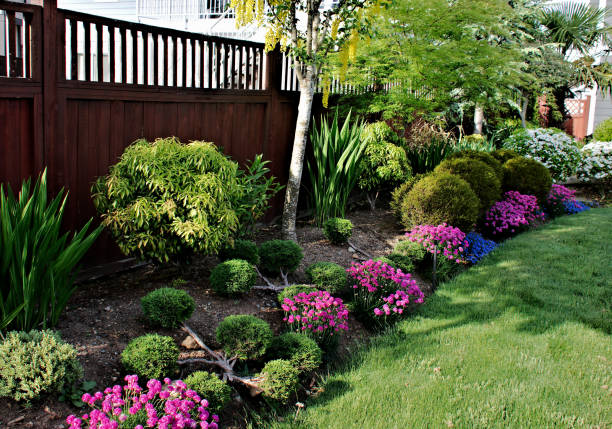
Flowerbed A flowerbed sandwiched between a green grass area of lawn and a brown colored wooden fence consisting of a blend of bushes and flowers in bloom as well as trees in a formal setting. landscaping stock pictures, royalty-free photos & images

Transform Your Yard with Boston Landscaping and Your Favorite Plants

Creating a landscape design that reflects your personal style and preferences can transform any outdoor space into a sanctuary. Incorporating your favorite plants not only adds a personal touch but also ensures that your garden is a place you love spending time in. Here’s how you can design the perfect landscape while highlighting your favorite plants.

Assess Your Space and Conditions

Before selecting plants, it’s essential to evaluate the specific conditions of your outdoor area. Consider factors such as:
Sunlight Exposure: Determine whether your space gets full sun, partial shade, or full shade throughout the day.
Soil Type: Is the soil sandy, loamy, or clay-heavy? Conducting a soil test can help you understand its pH and nutrient levels.
Climate Zone: Consult a hardiness zone map to understand which plants grow best in your region.

By understanding these elements, you’ll be better equipped to choose plants that will thrive in your environment.

Choose Plants That Reflect Your Style

  1. Anchor with Focal Plants:
    Select one or two statement plants that serve as focal points for your design. These could be dramatic trees like Japanese maples or shrubs with unique foliage like hydrangeas.
  2. Layered Planting Design:
    Arrange plants in layers for depth and visual interest:
  3. Tall species (e.g., ornamental grasses) at the back
  4. Medium-height flowers in the middle
  5. Ground covers like creeping thyme at the front
  6. Complementary Colors:
    Pair flower colors with complementary hues for a cohesive look: | Flower Color | Complementary Pair | Example Plants | |————–|——————–|——————————-| | Purple | Yellow | Lavender & Black-eyed Susan | | Red | Green | Roses & Ferns | | White | Blue | White Daisies & Blue Salvia |

Integrate Native and Low-Maintenance Plants

If you have specific favorite exotic plants, balancing them with native species ensures sustainability while reducing maintenance needs. Native plants are well-adapted to local conditions and often support pollinators like bees and butterflies.

Benefits of Native Plants:

  • Require less water than non-native species
  • Adapted to resist local pests
  • Foster biodiversity in the ecosystem

For example, if you adore roses (which may require extra care), consider pairing them with hardy native grasses or wildflowers for contrast and ease of upkeep.

Plan Seasonal Interest

Integrating different types of plants ensures year-round beauty in your garden: – Spring: Tulips, daffodils, cherry blossoms – Summer: Sunflowers, marigolds, daylilies – Autumn: Maples for foliage color; asters for blooms – Winter: Evergreen trees or shrubs like boxwood

This strategy guarantees there’s always something flourishing in every season while showcasing plant diversity.

Make Space Functional with Edible Landscaping

If edible gardening excites you, consider incorporating fruit-bearing trees or herbs into your design: – Plant rosemary and lavender along paths for fragrance. – Use berry bushes like blueberries as hedges. – Add an apple tree as both a shade-giving feature and source of fresh fruit.

This approach allows functionality while maintaining aesthetic appeal.

Incorporating cherished plants into landscaping doesn’t just create beautiful designs; it also builds emotional connections with one’s outdoor environment. By balancing personal favorites with sustainable practices and strategic planning techniques, you can achieve a meaningful yet functional landscape tailored entirely to you.

15 Simple But Effective Modern Landscaping Ideas for a Timeless Look

Modern landscaping is all about clean lines, minimalism, and functionality while maintaining visual appeal. Whether you’re a homeowner looking to refresh your outdoor space or a business owner aiming to impress clients, these modern landscaping ideas are simple yet effective. Below are 15 timeless concepts that can transform your yard into a stunningly sleek and stylish area.

1. Use Neutral Hardscaping Materials

Opt for materials like concrete, slate, or neutral-colored pavers to create walkways or patios. These materials provide a clean backdrop that complements lush greenery and modern architecture.

2. Incorporate Symmetry

Designing symmetrical plant arrangements or pathways can add balance and structure to your outdoor space. This technique creates harmony while keeping the landscape visually appealing.

3. Create Defined Edges

Use metal edging or clean-cut stone borders around garden beds, pathways, or lawns. Defined edges give your outdoor area a polished and contemporary look.

4. Add Vertical Gardens

Save space while adding greenery with vertical gardens. Wall-mounted planters or trellises covered with climbing plants like ivy bring depth and texture to any modern design.

5. Install Sleek Water Features

Modern water features such as minimalist fountains or geometric reflecting pools add an elegant touch without overwhelming the space.

Water Feature Style Description
Minimalist Fountain Simple design with clean lines
Reflecting Pool Shallow pool for aesthetic appeal
Water Wall Vertical flow for subtle ambiance

6. Embrace Native Plants

Choose native plants that thrive in your region’s climate to reduce maintenance needs while promoting sustainability.

7. Mix Grasses With Gravel

Replace traditional lawns with gravel paired with ornamental grasses for a low-maintenance yet stylish appearance.

8. Outdoor Lighting Enhancements

Strategically place LED lights along walkways, trees, or water features to highlight key areas and create ambiance after dark.

  • Pathway lights: Enhance safety and visibility.
  • Uplights: Highlight tall trees.
  • String lights: Add warmth near seating areas.

9. Use Geometric Shapes in Design

Incorporate square or rectangular shapes into patios, garden beds, and furniture arrangements for a sharp modern aesthetic.

10. Focus on Functionality With Built-In Seating

Integrate built-in benches made of wood, stone, or concrete into retaining walls or patio designs for practical use without compromising style.

11. Opt for Low-Maintenance Ground Covers

Replace high-maintenance grass with low-growing ground covers like creeping thyme or sedum to achieve greenery without constant upkeep.

12. Combine Wood Elements With Metal Accents

Mix natural wood tones with steel planters or aluminum fencing for contrast that feels both organic and industrially chic.

13. Mulch With Black Rocks or Gravel

Instead of traditional mulch options like bark chips, use black rocks or dark gravel around shrubs and plants for sleek finishing touches.

14. Introduce Sculptural Elements

Add contemporary sculptures made of metal, glass, or stone as focal points within your landscape design without cluttering the space.

Material Benefit
Metal Weather-resistant durability
Glass Reflects light beautifully
Stone Timeless natural texture

15. Keep It Minimalist With Open Spaces

Avoid overcrowding by leaving open patches of grass or hardscaping elements to maintain simplicity while emphasizing key features in the landscape design.

By implementing these ideas thoughtfully, you can achieve an effortlessly modern look that remains timeless year after year—all while staying functional and inviting for any occasion outdoors.


The Ultimate Guide to Boston Landscaping Services for Your Property

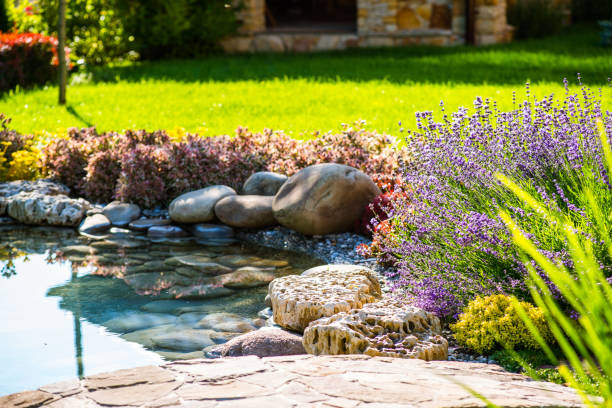
Beautiful backyard landscape design. View of colorful trees and decorative Beautiful backyard landscape design. View of colorful trees and decorative trimmed bushes and rocks landscaping stock pictures, royalty-free photos & images

Creating a well-designed outdoor space requires more than just planting flowers or trimming hedges. It’s about combining creativity, technical knowledge, and a deep understanding of landscape architecture to craft an environment that complements your property and meets your needs. Professional landscaping services provide the expertise and tools necessary to transform your outdoor area into a functional and aesthetically pleasing extension of your home or business.

Benefits of Hiring Professional Landscaping Services

  • Enhanced Curb Appeal: A professionally landscaped property makes an excellent first impression. Whether it’s a home you’re selling or a business looking to attract clients, curb appeal plays a key role.
  • Increased Property Value: Research shows that high-quality landscaping can significantly boost the value of your property—by as much as 10% or more in some cases.
  • Customized Solutions: Professionals assess your unique space and tailor designs based on soil type, climate, sunlight exposure, and personal preferences.
  • Long-Term Cost Savings: While the upfront cost may seem high, professional landscapers use durable materials and sustainable practices that reduce maintenance costs over time.

Services Offered by Professional Landscapers

Professional landscapers offer a range of services that cater to both residential and commercial properties.

Service Description
Landscape Design Planning layouts for plants, hardscapes (like patios), lighting, and water features.
Lawn Care Mowing, aerating, overseeding, fertilizing, and pest control for healthy grass growth.
Hardscaping Installation of non-living elements such as walkways, retaining walls, fire pits, etc.
Plant Selection & Installation Choosing plants suited to the local climate while ensuring aesthetic harmony.
Irrigation System Design Installing efficient watering systems that conserve water while keeping landscapes lush.

Steps Involved in Professional Landscaping

  1. A professional landscaper will meet with you to discuss design preferences, budget constraints, goals for the space (e. g. , entertaining guests or creating privacy), and any existing landscape challenges.
  2. An on-site evaluation helps identify soil conditions, drainage issues, sunlight patterns, and other factors critical to creating an effective design.
  3. Utilizing software tools or hand-drawn sketches ensures precise planning for plant placement along with hardscape structures like pathways or fountains.
  4. Once designs are approved by the client, landscapers begin implementing them by prepping soil; installing irrigation systems; planting trees/shrubs/flowers; laying sod; constructing walls/patios/walkways.
  5. Many companies offer ongoing maintenance plans tailored specifically for your landscape’s unique needs—from regular pruning/trimming schedules to seasonal plant adjustments.

Why Choose Certified Professionals?

Landscaping is not just about aesthetics—it involves scientific knowledge related to horticulture (proper care for plants) as well as environmental considerations like erosion control or sustainability practices (e. g. , drought-tolerant landscaping). Certified professionals bring expertise backed by industry credentials such as licensing from local authorities or affiliations with organizations like the National Association of Landscape Professionals (NALP).

By engaging certified experts who stay updated on trends/techniques through continuing education programs/workshops/seminars—you ensure quality outcomes aligned with best practices within this specialized field.

Professional landscaping services turn ordinary yards into extraordinary spaces tailored specifically around functionality beauty durability

How Landscapers Boston Professionals Can Transform Your Outdoor Space

Professional landscaping services can significantly elevate your outdoor space, turning it into a functional, aesthetically pleasing, and inviting environment. Whether you’re designing a new landscape from scratch or enhancing your existing outdoor area, these services offer tailored solutions that align with your preferences while maximizing the potential of your property.

Top Reasons to Hire a Boston MA Landscaper for Your Outdoor Enhancements

  1. A well-designed landscape enhances the visual appeal of your property, creating a cohesive and harmonious look.
  2. Features such as flower beds, walkways, retaining walls, and lighting improve curb appeal and make your outdoor space more inviting.
  3. High-quality landscaping is an investment that boosts property value.
  4. Professionally designed spaces often attract potential buyers when selling a home.
  5. Landscaping improvements can add practical features like patios, outdoor kitchens, or seating areas for social gatherings.
  6. Proper zoning allows different areas for relaxation, recreation, or gardening.
  7. Thoughtful designs integrate native plants and sustainable practices to support local ecosystems.
  8. Strategic tree placement provides shade to reduce energy consumption in summer months.

Top Enhancements Offered by a Boston MA Landscaping Company

  • Hardscaping Elements:Incorporating paths, decks, fences, fire pits, or water features adds structure and function to your yard.
  • Outdoor Lighting:Creative lighting highlights key areas while improving safety during nighttime hours.
  • Irrigation Systems:Automated sprinklers ensure efficient watering schedules that save time and water.
  • Seasonal Plantings:Rotating seasonal flowers or shrubs keeps the landscape vibrant throughout the year.
  • Vertical Gardens:These add dimension and greenery to small spaces without taking up much ground.

Expert Lawn Care Boston MA Services and Landscape Design Plans

Feature Purpose Material Options
Walkway Connects garden elements Stone pavers, concrete
Patio Entertaining & dining space Flagstone, brick
Flower Beds Adds color & texture Seasonal perennials
Water Feature Creates tranquility Fountain or pond with natural rocks
Outdoor Lighting Safety & ambiance LED path lights

Why Choose Professional Services?

Engaging professional landscapers ensures expertise in design principles and horticulture knowledge specific to your region’s climate. Professionals also have access to specialized tools and materials that guarantee high-quality results while saving you time and effort.

With their ability to balance aesthetics with functionality and sustainability considerations, professional landscapers can redefine how you experience your outdoor environment—creating not just beauty but a personalized haven tailored to meet both present needs and long-term goals.

Seasonal Planting Ideas to Elevate Your Landscape Design Year-Round

Seasonal planting is a critical aspect of maintaining a vibrant and visually stunning landscape throughout the year. By selecting plants that thrive in specific seasons and planning their placement strategically, you can ensure your outdoor space remains inviting and colorful no matter the weather. Below are some seasonal planting ideas to help elevate your landscape design year-round.

Benefits of Seasonal Planting

  • Ensures your landscape remains dynamic and engaging.
  • Promotes biodiversity by incorporating a variety of plants.
  • Improves soil health by preventing monoculture planting.
  • Supports local pollinators like bees, butterflies, and birds.

Spring Planting Ideas

Spring is the perfect time to refresh your garden’s appearance after the dormant winter months. Focus on vibrant blooms and greenery during this season.

Recommended Plants:Tulips: These classic spring flowers bring bright colors to any garden.Daffodils: Known for their cheerful yellow blossoms, they are easy to grow.Hostas: Perfect for shaded areas, offering lush foliage textures.

Tips for Spring Planting:1. Start with soil preparation by adding compost or organic matter. 2. Choose native plants well-suited to your local climate for better growth results. 3. Consider layering plants by height to create depth in garden beds.

Summer Planting Ideas

Summer landscapes should focus on bold colors, drought-resistant plants, and low-maintenance greenery that can withstand higher temperatures.

Recommended Plants:Sunflowers: Their tall growth adds vertical interest to gardens.Lavender: A fragrant option that thrives in full sun conditions.Coneflowers (Echinacea): Hardy perennials that attract pollinators.

Tips for Summer Planting:1. Incorporate mulch around plants to retain moisture and reduce water evaporation. 2. Water early in the morning or late evening to prevent leaf scorch from midday sun exposure. 3. Group plants with similar water needs together for efficient irrigation.

Fall Planting Ideas

Autumn offers an opportunity to plant hardy varieties while preparing your garden for winter dormancy. Focus on warm-colored foliage and late-blooming flowers during this season.

Recommended Plants:Chrysanthemums (Mums): Add bursts of red, orange, or yellow tones.Ornamental Kale: Provides unique textures and cool-weather resistance.Maples or Japanese Maples(for larger spaces): Their fiery red leaves make stunning fall accents.

Tips for Fall Planting:1. Use fall as an opportunity to plant spring bulbs like daffodils and hyacinths before freezing temperatures arrive. 2. Apply a slow-release fertilizer to prepare the soil for winter nutrient storage. 3. Prune back summer annuals as necessary while leaving seed heads intact for wildlife habitats.

Winter Interest Landscaping

Winter landscapes don’t need to be barren or dull—selected evergreens, shrubs with berries, or textured bark can provide visual interest despite colder conditions.

Recommended Plants:
| Plant Type | Example Species | Key Feature |
|——————-|——————————–|———————————-|
| Evergreen Shrubs | Boxwood | Year-round green foliage |
| Berry-Producing | Holly | Bright red berries against snow |
| Ornamental Trees | Dogwood | Striking red bark |

Tips: 1. Utilize hardscaping elements like stone pathways or focal points (e. g. , sculptures) alongside winter plantings. 2. Protect tender perennials using burlap wraps against frost damage if applicable in your region.

By adopting seasonal planting strategies, you’ll create landscapes that offer beauty throughout every season while promoting sustainability within your outdoor space. Take advantage of each season’s unique opportunities with thoughtful plant selections tailored specifically toward weather conditions and aesthetic goals!

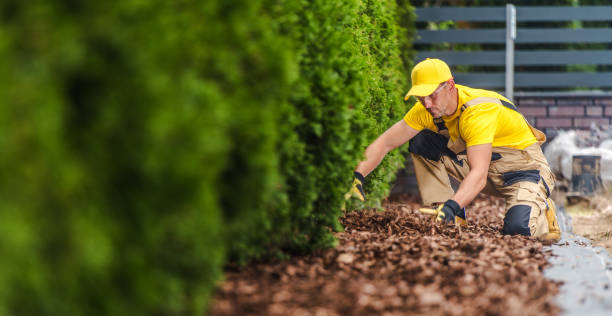
Professional Gardener Arranging the Garden Mulch in the Front Yard Professional Caucasian Gardener Taking Care of Garden Mulch Under a Row of Thujas Planted Along the Fence. Landscape Gardening Theme. landscaping stock pictures, royalty-free photos & images

The Role of Certified Arborist Services in Creating a Stunning Landscape

Certified arborists play an essential role in maintaining and enhancing the health, safety, and beauty of your landscape. Their expertise goes beyond basic tree care, encompassing a range of services that can significantly elevate the aesthetic and functional value of your property. Below, we explore how certified arborist services contribute to creating a stunning landscape.

Expertise in Tree Health and Diagnostics

Certified arborists are trained to evaluate tree health comprehensively. They can identify signs of disease, pest infestations, or structural issues that may not be apparent to the average homeowner.

  • Early detection: Recognizing and addressing potential problems before they escalate.
  • Precision treatments: Recommending targeted solutions for diseases or infestations without harming surrounding plants or soil quality.
  • Comprehensive care plans: Developing long-term maintenance strategies tailored to the specific needs of each tree species on your property.

Pruning for Aesthetics and Safety

Proper pruning is both an art and a science that certified arborists excel at performing. Regular pruning can enhance the visual appeal of your trees while ensuring their structural integrity.

  • Removing dead or diseased branches to promote new growth.
  • Shaping trees to complement your landscape’s overall design theme.
  • Addressing potential hazards by eliminating branches that pose risks to property or people during storms or high winds.

Proper Tree Selection and Planting

Choosing the right tree species for your property involves much more than aesthetics. Certified arborists consider factors such as soil type, local climate conditions, space availability, and the tree’s long-term growth potential when recommending species for planting.

  1. Trees thrive in their environment with minimal maintenance requirements.
  2. The selection aligns with your landscaping goals (e. g. , shade coverage, privacy screens).
  3. Potential issues like overcrowding or root interference with utilities are avoided.
Consideration Description
Soil Type Matching tree species with soil pH levels and drainage properties for optimal growth
Space Ensuring adequate room for root expansion and canopy development
Climate Selecting trees adapted to local weather patterns

Storm Damage Recovery

  • Assessing whether damaged trees can be salvaged versus removed.
  • Safely handling hazardous debris removal preventing injury

Creative Mulching Techniques to Boost the Beauty of Your Landscape

Mulching is one of the simplest yet most effective landscaping techniques for enhancing the aesthetic appeal and health of your outdoor space. By using creative mulching methods, property owners can add texture, color, and depth to their landscape while also reaping practical benefits. Below, we’ll explore unique mulching ideas and their benefits to help you elevate your landscape’s appearance and functionality.

Benefits of Mulching

Mulch does much more than improve the visual appeal of your garden beds.
Moisture Retention: Mulch helps retain soil moisture by reducing evaporation, ensuring plants stay hydrated longer.Weed Suppression: A consistent layer of mulch inhibits weed growth by blocking sunlight from reaching weed seeds.Soil Temperature Regulation: It acts as an insulating layer, protecting plant roots from extreme heat in summer and cold in winter.Erosion Control: Mulch prevents soil erosion by reducing water runoff and stabilizing topsoil.Nutrient Enrichment: Organic mulches decompose over time, enriching the soil with valuable nutrients.

Creative Mulch Options

  1. Use dyed wood chips in shades like red, black, or brown to complement your property’s overall design palette.
  2. For vibrant flowerbeds, opt for a lighter-colored mulch to make blooms stand out.
  3. Gravel or stone adds a modern touch and works well for pathways or xeriscaping projects.
  4. Unlike organic mulch, stones do not decompose and require minimal maintenance.
  5. This natural option creates a rustic look while being lightweight and easy to spread.
  6. Pine straw is especially effective around acid-loving plants like azaleas or blueberries.
  7. Made from recycled tires, rubber mulch is long-lasting and perfect for playgrounds or high-traffic areas.
  8. It’s available in various colors that won’t fade easily over time.
  9. Consider low-growing plants like creeping thyme or clover as a living alternative to traditional mulch.
  10. These ground covers provide visual interest while also improving biodiversity in your yard.

Tips for Effective Mulching

Do’s Don’ts
Apply mulch 2–3 inches deep Avoid piling mulch against tree trunks (causes rot)
Use organic mulch for nutrients Do not use too much colored mulch (can oversaturate garden look)
Refresh mulch annually Avoid non-breathable plastic sheeting underneath

Layering Techniques for Visual Impact

Experiment with layering different types of mulches to create striking contrasts in texture and color. For instance: – Combine gravel borders with dark bark chips at the center of plant beds to define spaces clearly. – Pair brightly colored flowers with neutral-toned pine straw for an eye-catching effect.

Incorporating these creative mulching techniques will not only boost curb appeal but also promote healthier plants and soil over time. By choosing innovative options tailored to your property’s needs, you’ll transform your outdoor space into a visually stunning and functional landscape feature.

How Aeration and Overseeding Contribute to a Healthier, Lusher Lawn

Two often-overlooked yet highly effective practices are aeration and overseeding. These techniques not only promote the overall health of your grass but also improve its resilience against weather challenges, pests, and disease. Below, we’ll explore what aeration and overseeding entail, their benefits, and how they work together to elevate your lawn’s health.

Benefits of Aeration:
  • Improved Root Growth: Roots grow deeper into loosened soil for better access to essential nutrients.
  • Enhanced Water Absorption: Reduces runoff by allowing water to reach deep into the soil.
  • Reduced Thatch Accumulation: Breaks up layers of dead grass that can suffocate healthy growth.
  • Better Fertilizer Efficiency: Nutrients can penetrate more evenly across your lawn for optimal uptake.

What is Overseeding?

Overseeding is the process of spreading new grass seed over an existing lawn.

Benefits of Overseeding:
  • Thicker Lawn Coverage: Prevents weeds from gaining a foothold by crowding them out with dense grass growth.
  • Improved Turf Appearance: Newer seeds enhance color uniformity and overall vibrancy.
  • Increased Resilience: Adds diverse grass species that may better tolerate drought or high traffic conditions.
  • Natural Weed Control: A healthy lawn reduces reliance on chemical herbicides.

How Aeration and Overseeding Work Together

Without aerating first, seeds may struggle to establish roots due to limited exposure to air and moisture.

Step Action Benefit
1 Aerate the lawn using a core aerator Loosens compacted soil
2 Spread premium-quality grass seed evenly across the yard Ensures uniform coverage
3 Apply fertilizer after seeding Provides essential nutrients for seed germination
4 Water consistently but lightly until germination occurs Keeps seeds moist for optimal growth

By combining these methods during ideal seasons—typically spring or fall—you create an environment where your lawn thrives year-round.

Best Practices for Success

  • Choose Suitable Grass Seeds:Select varieties compatible with your climate zone.
  • Time It Right:Perform these tasks during growing seasons when conditions are most favorable.
  • Use Professional Equipment:Core aerators can be rented if unavailable at home; alternatively, consult landscaping professionals equipped with specialized machinery.
  • Maintain Consistent Care:Water regularly post-aeration/overseeding until new grass becomes established.

Aeration and overseeding are invaluable strategies for homeowners who aim for long-term turf health without relying on excessive treatments. When done properly, this combination leads to a landscape that not only looks lush but is also sustainable over time.


How to Choose the Right Boston Landscaping Company Tailored to Your Needs

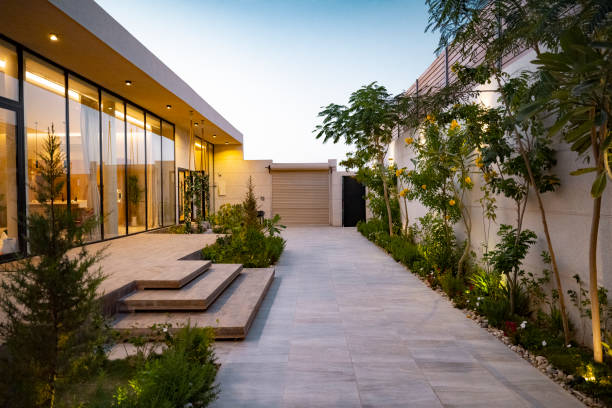
Home exterior at dusk in Riyadh, Saudi Arabia Diminishing perspective outside illuminated modern home with full length glass windows, steps to entrance, and native plant landscaping. landscaping stock pictures, royalty-free photos & images

Selecting the right landscaping company can make a significant difference in transforming your outdoor space into a functional and beautiful environment. With numerous options available, finding a reliable and skilled partner tailored to your specific needs requires careful consideration. Here are key steps and factors to guide you through the decision-making process.

Understand Your Landscaping Goals

  • Are you looking for regular maintenance or a complete design overhaul?
  • Do you need hardscape features like patios, walkways, or retaining walls?
  • What’s your budget for the project?
  • Do you want natural, low-maintenance designs or vibrant gardens with seasonal plants?

By defining your goals upfront, you’ll be better equipped to communicate your vision effectively with potential companies.

Research Local Landscaping Companies

  1. Online Reviews and Ratings: Check platforms like Google, Yelp, or Houzz for customer feedback on local landscaping companies. High ratings and positive reviews often indicate quality service.
  2. Local Recommendations: Ask friends, family, or neighbors who’ve had similar work done about their experiences.
  3. Industry Certifications: Look for companies affiliated with professional organizations like the National Association of Landscape Professionals (NALP).

Evaluate Portfolios

  • Creative solutions tailored to different property sizes and shapes.
  • Consistency in high-quality finishes.
  • Experience with both softscape (plants) and hardscape (structures).

Ask Questions During Consultations

  • What services do they specialize in?
  • How many years of experience do they have?
  • Are they licensed and insured?
  • Can they provide references from past clients?

Their answers will give insights into their expertise, reliability, and professionalism.

Compare Quotes Thoughtfully

Component Details
Materials Cost Breakdown of plants, soil, pavers, lighting fixtures, etc., as applicable
Labor Costs Estimated hours/days required based on project scope
Maintenance Plans Optional ongoing care recommendations
Warranty Information Coverage details for plants or structural elements installed

Comparing these aspects will help ensure you’re getting a fair deal without compromising quality.

Assess Compatibility and Communication

Lastly, evaluate how comfortable you feel working with them during initial interactions. Open communication is essential throughout any landscaping project.

  • Prompt responses via email/phone/text.
  • Willingness to listen actively rather than pushing standard solutions.
  • Transparency about timelines and updates during the process.

By carefully considering all these factors before hiring a landscaping company tailored specifically to your needs, you’ll be better positioned for long-term success in achieving an ideal outdoor space that enhances both functionality and aesthetics while staying within budget constraints.

Transform Your Yard with a Trusted Boston MA Landscaper for the Perfect Outdoor Escape

Creating a picturesque outdoor space begins with understanding your specific landscaping needs. Whether you want a serene garden retreat, a functional backyard for entertaining, or an eco-friendly design, identifying your requirements is the first step toward achieving your vision.

Assessing Your Goals and Priorities

  • Relaxation and tranquility
  • Hosting outdoor gatherings
  • A play area for children or pets
  • Increasing property value
  • Lush gardens with vibrant flowers
  • Water features like fountains or ponds
  • Functional elements such as patios or walkways
  • Sustainable landscaping, such as native plants or xeriscaping
  • Low-maintenance designs with drought-tolerant plants
  • Medium-maintenance options that require occasional care
  • High-maintenance gardens with intricate designs

Considering Your Budget and Space

  • Budget:
    Create a realistic budget based on your priorities. This will help determine whether you can invest in high-end materials like natural stone or opt for cost-effective yet durable alternatives. Aim to allocate funds for both hardscaping (e.g., patios, walls) and softscaping (e.g., plants, trees).
  • Space:
    Analyze the dimensions of your yard to understand what’s feasible. For smaller yards, vertical gardens or multi-functional spaces work well. Larger properties might allow for expansive lawns, elaborate garden designs, or even a pool area.
Feature Small-Space Solutions Large-Space Possibilities
Seating Areas Compact patio furniture Pergolas with lounge seating
Gardens Vertical gardens Flower beds and large planters
Water Features Tabletop fountains Ponds or flowing streams

Matching Design Styles to Your Preferences

  • Modern: Clean lines, minimalist plant choices, and geometric hardscaping elements
  • Traditional: Symmetrical layouts with manicured hedges and classic flower varieties
  • Rustic: Natural stone pathways, wildflowers, and wooden accents for a cottage-like feel
  • Tropical: Lush greenery such as palm trees combined with vibrant flowers

Working With Professionals

Once you’ve defined your needs clearly, communicate them effectively when consulting with landscaping companies. Share photos that inspire you or create a mood board to ensure everyone is aligned on the vision. A professional landscaper can offer expert advice on material choices, layout optimization, and plant selection tailored specifically to your local climate.

By carefully defining your objectives before starting any project, you’ll be better equipped to create an outdoor escape that aligns perfectly with both your lifestyle and aesthetic preferences.

Tips for Choosing the Best Boston MA Landscaping Company for Your Project

When selecting a landscaping company, reviewing portfolios and seeking references is an essential step to ensure you’re making the right choice. A professional landscaping company should provide a clear record of its past work, allowing you to assess its expertise, style, and ability to meet client expectations. Below are essential considerations and steps involved in reviewing portfolios and obtaining credible references.

Importance of Reviewing Portfolios

  • Design Style: Does their work align with your vision?
  • Project Scope: Have they handled projects similar in size or complexity to yours?
  • Quality of Workmanship: Are the hardscaping structures well-constructed? Is attention to detail evident in plant arrangements?
  • Versatility: Do they demonstrate expertise across a range of landscaping solutions (e.g., patios, water features, garden installations)?

Take time to examine high-quality images or videos provided by the company. If possible, schedule visits to recently completed projects in your area for an up-close evaluation.

Questions to Ask When Reviewing References

  1. Was the project completed on time and within budget?
  2. How effectively did the team communicate throughout the process?
  3. Were there any unexpected challenges, and how were they resolved?
  4. Has the landscaping work stood the test of time (e.g., plant health, durability of materials)?
  5. Would you hire this company again or recommend them to others?

Such inquiries not only help validate a landscaper’s reputation but also reveal their reliability and professionalism.

Red Flags to Watch For While Researching Companies

  • Lack of an available portfolio or only generic stock photos instead of actual project images.
  • Refusal or hesitation in providing client references upon request.
  • Reports from previous clients about unprofessional behavior, missed deadlines, or unexpected cost increases.
  • Overly vague descriptions when discussing past projects.

If any warning signs emerge during your review process, consider exploring other options before making a decision.

Portfolio Review Checklist Table

Criteria Questions/Considerations Notes/Observations
Design Style Does their aesthetic match your desired vision?
Range of Services Is there evidence of diverse skills across soft/hardscaping tasks?
Attention to Detail Are plants healthy-looking and structures well-built?
Client Satisfaction What do former clients say about timelines & outcomes?
Professionalism Are they responsive and transparent during inquiries?

Using this checklist ensures that you evaluate both visual aspects (portfolio) as well as client feedback (references) thoroughly.

Final Thoughts on Finding Trustworthy Landscapers

By carefully reviewing portfolios and speaking with former clients, you minimize risks while gaining confidence in your choice of a landscaping partner tailored for your outdoor needs. Thorough research lays a strong foundation for creating an outdoor space that seamlessly blends beauty with functionality while being managed by trusted professionals who understand quality craftsmanship at its core.

Large gray pergola on pavers with stone fireplace and waterfall urns for backyard oasis landscape design Large gray pergola on pavers with stone fireplace and waterfall urns for backyard oasis landscape architecture landscaping stock pictures, royalty-free photos & images

Finding the Best Lawn Care Boston MA Services: Request Quotes and Compare Options

When planning a landscaping project, one of the most important steps is obtaining detailed quotes from different companies and comparing the options they offer. This process can help you make an informed decision, avoid unexpected costs, and ensure that the chosen company aligns with your budget and vision.

Why Requesting Detailed Quotes Matters

A comprehensive quote provides a clear understanding of: – The scope of work included in the project. – A breakdown of material costs, including plants, hardscaping elements, or soil amendments. – Labor charges based on tasks such as installation or maintenance. – Estimated timelines for project completion.

Detailed quotes prevent misunderstandings by outlining every aspect of the landscaping process. Furthermore, they allow you to compare pricing structures across companies to ensure you’re getting value for money.

What to Look for in a Landscaping Quote

  1. Project Scope
    Ensure that the quote clearly specifies all tasks included. For instance:
  2. Preparing the site (grading, clearing debris).
  3. Installing hardscape features like patios or walkways.
  4. Planting trees, shrubs, or flowers.
  5. Adding irrigation systems.
  6. Material Costs
    Verify that material costs are itemized. This could include:
  7. The type and quantity of plants or sod being used.
  8. Pavers, stones, or wood decking for hardscapes.
  9. Fertilizers or other enhancements.
  10. Labor Charges
    Labor should be broken down into categories such as design work, construction efforts, and post-installation care.
  11. Warranty Details
    Some companies provide warranties on their services or materials like plants and irrigation systems. Check whether these are included in the price.
  12. Hidden Fees
    Look out for potential additional charges such as delivery fees, permit acquisition costs, or disposal fees for old materials.

Tips for Comparing Landscaping Quotes

  1. Compare Apples to Apples: Ensure each quote includes similar services so you can make a fair comparison.
  2. Assess Project Timelines: Determine which company can meet your deadline without compromising quality.
  3. Evaluate Customization Options: Some providers may offer unique design elements tailored to your property’s needs at competitive rates.
  4. Understand Payment Terms: Check if there are payment plans available and whether they require an upfront deposit or milestone payments throughout the project’s progress.
Factor Company A Company B Company C
Project Scope ✔️ ✔️ ✔️
Material Costs Itemized ✔️ ✔️
Estimated Timeline 4 weeks 6 weeks 5 weeks
Warranty Provided 1 year None 6 months
Pricing $$ $$$ $$

The Importance of Asking Questions

If anything in a quote seems unclear or incomplete: – Contact the company directly for clarification. – Ask about their experience handling projects similar to yours. – Confirm whether they handle permits (if needed) on your behalf.

Taking these steps ensures transparency between you and potential landscaping partners while reducing risks associated with overcharges or unsatisfactory results.

Transform Your Outdoor Spaces with Creative Ideas from Landscapers Boston

Incorporating hardscaping elements into your outdoor space can elevate the functionality and aesthetic appeal of your property. From patios to pergolas, these features are an essential component of a well-designed landscape. Below are insights and ideas to help you transform your yard into a visually striking and usable outdoor retreat.

The Role of Hardscaping in Landscaping

  • Enhanced Usability: Hardscaped areas provide spaces for dining, lounging, or entertaining.
  • Improved Aesthetics: Thoughtfully designed structures add character and charm.
  • Low Maintenance: Unlike plants, hardscape elements require minimal upkeep.
  • Increased Property Value: High-quality hardscaping can significantly boost curb appeal and property value.

Ideas for Stunning Patios

  • Natural Stone Patios: Incorporate flagstone or slate for an organic look that blends with the surrounding greenery.
  • Stamped Concrete: Mimic the appearance of brick or wood using stamped concrete while keeping costs lower.
  • Multi-Level Patios: Use tiered designs to separate dining, cooking, and lounging areas effectively.
  • Integrated Lighting: Add built-in lighting along pathways or beneath stairs for both ambiance and safety during nighttime use.
Material Options Key Benefits Best Uses
Natural Stone Durable, timeless aesthetic High-end patios with earthy tones
Stamped Concrete Budget-friendly, versatile designs Modern or traditional settings
Brick Classic charm, weather-resistant Intimate spaces or walkways
Pavers Modular design flexibility Large entertaining areas

Adding Pergolas for Shade and Style

Pergolas are versatile structures that enhance both form and function in a landscape design. They provide shade while creating beautiful focal points within your yard.

  1. Wood (e.g., cedar) for a rustic look.
  2. Metal (e.g., aluminum) for modern durability.
  3. Open slats allow partial sunlight.
  4. Retractable covers offer flexibility based on weather conditions.
  5. Incorporate climbing vines like wisteria or jasmine for softness and greenery.
  6. String lights along beams to foster a cozy evening atmosphere.

Coordinating Patios and Pergolas

  • Align color schemes between patio materials (e.g., stone) and pergola finishes (e.g., stained wood).
  • Position the pergola over seating areas on the patio to naturally define its purpose as a gathering spot.

By combining these elements cohesively, you can design an inviting space that offers comfort while showcasing creative landscaping craftsmanship.

Final Tips

  • Consider seating arrangements based on family size or typical guest count.
  • Focus on weather-resistant materials suited to your local climate.
  • Consult with a professional landscaping company to ensure proper installation techniques are used.

Integrating hardscaping features such as patios and pergolas into your property not only enhances its visual appeal but also improves usability year-round.

Boosting Your Curb Appeal with Professional Residential Landscaping Solutions

Enhancing the curb appeal of your home is an investment that can increase property value, create a welcoming atmosphere, and reflect your personal style. By partnering with a professional landscaping company, you can transform your outdoor space into an attractive and functional environment. Below are key ways professional residential landscaping services can help elevate your home’s exterior.

Benefits of Boosting Curb Appeal

  1. Increased Property Value:
    A well-maintained landscape can add significant value to your property. Prospective buyers often base their first impressions on the exterior of a home, and an appealing yard sets the tone for what’s inside.
  2. Enhanced Aesthetic Appeal:
    Professional landscapers blend creativity with functionality to craft visually stunning outdoor spaces, making your home stand out in the neighborhood.
  3. Improved Functionality:
    Beyond aesthetics, landscaping experts design practical outdoor solutions where families can gather, entertain, or relax.
  4. Environmental Impact:
    Strategic planting, proper irrigation systems, and eco-friendly materials contribute to sustainability while saving you money on energy bills through natural shading and insulation.

Key Components of Residential Landscaping

  • Plant Selection & Garden Design:
    Choosing native plants and arranging them thoughtfully enhances visual appeal while requiring low maintenance.
  • Hardscaping Features:
    Including walkways, retaining walls, patios, or water features adds depth and structure to your yard design.
  • Lighting Solutions:
    Outdoor lighting not only highlights specific areas but also improves safety around pathways and entry points during nighttime.
  • Lawn Care & Maintenance:
    Services such as mowing, fertilization, aeration, and weed control ensure a lush green lawn year-round.

Example Landscaping Elements for Inspiration

Feature Description Benefit
Flower Beds Strategically planted seasonal flowers or shrubs Adds color & vibrancy
Stone Pathways Stones or pavers leading to doors or garden areas Enhances accessibility
Water Features Fountains or small ponds Creates a calm ambiance
Privacy Hedges Dense greenery for boundaries Adds privacy & noise barrier

Tips for Maximizing Your Landscaping Investment

  • Work with experienced landscapers who understand local climate conditions.
  • Opt for low-maintenance plants if you have limited time for upkeep.
  • Incorporate drought-resistant plants or efficient irrigation systems to conserve water.
  • Consider designs that align with the architectural style of your home for cohesion.
  • Regularly schedule maintenance services to preserve initial results over time.

By selecting skilled professionals who prioritize both beauty and functionality in their designs, you can achieve lasting curb appeal that complements your lifestyle while adding long-term value to your property. Letting experts handle these improvements ensures precision in execution while providing you peace of mind throughout every step of the process.

Assessing Communication and Professionalism When Selecting a Landscaping Partner

When it comes to hiring a landscaping company, their communication and professionalism can significantly impact the success of your project. Beyond technical skills and creativity, a landscaping partner must also demonstrate strong interpersonal abilities to deliver the results you desire. Below are some key factors to assess when evaluating communication and professionalism in a landscaping company.

Importance of Clear Communication

  1. Understanding Your Vision
    A professional landscaper should take the time to understand your preferences, lifestyle, and vision for the space. This includes active listening during consultations, asking clarifying questions about your goals, and offering tailored recommendations.
  2. Clear timelines for project completion
  3. Details about materials used
  4. Explanation of costs involved

Transparency ensures there are no hidden surprises down the road, allowing you to trust their approach fully.

  1. Regular Updates
    Strong communication includes consistent updates throughout the project lifecycle. A reliable landscaping partner will share progress reports and address any unforeseen delays or changes promptly.

Measuring Professionalism

  1. Responsiveness
    Pay attention to how quickly they respond during initial inquiries or follow-up discussions. Timely responses often reflect their commitment to customer service and organization.
  2. Punctuality
    Are they on time for meetings or site visits? Punctuality demonstrates respect for your time and portrays them as dependable professionals.
  3. Appearance and Presentation
    While not always indicative of skill level, neatness in appearance (uniforms, equipment upkeep) often reflects their attitude toward quality work.
  4. Written Contracts
    A professional landscaping company should provide detailed contracts outlining:

    • Scope of services
    • Payment terms
    • Warranties on materials/labor

Red Flags to Watch Out For

  • Vague or incomplete answers when discussing project details
  • Unwillingness to provide references or portfolio examples
  • Hesitation in providing written agreements
  • Poor reviews regarding customer service on third-party platforms

Questions to Ask During Assessment

Question Purpose
How do you ensure updates are communicated? Evaluate their process for regular updates
Can you provide references from recent clients? Assess credibility through past projects
What is your strategy for handling unexpected issues? Understand problem-solving capabilities

These questions not only help confirm their expertise but also reveal whether they prioritize fostering an open client relationship.

Prioritizing communication and professionalism when selecting a landscaping partner ensures that your outdoor space is crafted with care while avoiding unnecessary stress during the process.


When to Hire a Professional for Your Boston Landscaping Needs

Suburban Gardens Springtime gardens along the driveway of a small single family home on Cape Cod with a flag flying from the front porch,  and the surrounding grounds,  on a late May afternoon with copy space in a clear sky area. landscaping stock pictures, royalty-free photos & images

Hiring a professional landscaper can transform your outdoor space into a functional, beautiful, and well-maintained area. While many homeowners take pride in handling yard work themselves, there are specific instances where working with a professional becomes essential. Below, we explore scenarios when hiring an expert landscaper is the best decision for your outdoor needs.

1. Large-Scale Landscaping Projects

If your project involves a complete redesign or significant changes to your property, such as installing hardscapes (patios, pathways, retaining walls), water features, or irrigation systems, a professional landscaper is invaluable. These large-scale projects require expertise in design and execution to ensure durability and aesthetic appeal.

Some examples of large-scale projects include:
– Installing an outdoor kitchen or entertainment area
– Building decks or pergolas
– Designing multi-level garden terraces

Professionals can handle zoning regulations, permits, and other complexities that come with big landscaping undertakings.

2. Lack of Time or Expertise

Maintaining a vibrant landscape requires ongoing care. If you’re short on time or lack the skills to handle specific tasks like pruning trees correctly or managing soil health, it’s better to hire a professional landscaper who can provide consistent maintenance while ensuring proper techniques are used.

Common tasks they handle:
– Seasonal cleanups (spring/fall)
– Lawn aeration and fertilization schedules
– Pest and weed control

This allows you to enjoy your yard without worrying about upkeep.

3. Specialized Design Requirements

Every property is unique, which means designing an outdoor space often requires custom solutions that balance functionality with creativity. A professional landscaper brings knowledge of plant species suitable for your climate and soil type while incorporating elements that align with your preferences.

Key considerations include:
– Selecting drought-tolerant plants for water conservation
– Creating garden zones (e.g., flower beds separate from vegetable gardens)
– Incorporating energy-efficient lighting features

They use tools like CAD software or design sketches to help visualize the end result before work begins.

4. Erosion Control and Drainage Issues

Poor drainage can lead to unnecessary expenses due to water damage on both hard and soft landscaping elements. Addressing issues like flooding spots in the yard or soil erosion near slopes is another situation where professionals excel.

Techniques they may implement:
| Issue | Solution Options |
|——————|———————————————-|
| Soil erosion | Retaining walls; planting ground covers |
| Poor drainage | French drains; dry creek beds; rain gardens |

These solutions not only prevent damage but also enhance the overall layout of your property.

5. Enhancing Property Value Before Selling

If you’re planning to sell your home, investing in landscaping improvements can significantly increase curb appeal and resale value. A well-maintained landscape makes an excellent first impression on potential buyers.

Some services professionals offer in this case include:
– Lawn revitalization (re-seeding or sod installation)
– Adding eye-catching elements like flower beds around walkways
– Trimming overgrown trees and shrubs

Final Thoughts

Knowing when to hire a professional landscaper comes down to understanding the scope of work needed versus what you can manage on your own. Whether it’s tackling complex designs, resolving functional issues like drainage concerns, or maintaining an immaculate lawn year-round for aesthetic value—landscaping experts provide tailored solutions that save both time and effort while delivering stunning results tailored specifically for your needs.

Expert Tips from Top Landscapers Boston for Your Next Project

Landscaping is more than just planting trees or installing a patio; it’s about creating a harmonious outdoor space that blends aesthetics and functionality. While many homeowners may attempt to handle their landscaping needs independently, hiring a professional landscaper offers numerous advantages due to their specialized expertise. Below, we explore the critical role that expertise plays in landscaping projects and how professionals can provide value.

The Importance of Hiring a Skilled Boston MA Landscaper

  1. Professionals assess the unique layout and conditions of your property, including soil type, climate, and drainage considerations.
  2. They create detailed blueprints or plans customized for your specific goals and needs.
  3. Blending hardscaping (e.g., patios, retaining walls) with softscaping (e.g., plants, lawns) becomes seamless under expert guidance.
  4. Experts understand local plant species that thrive in your region’s climate, reducing the risk of plant failure.
  5. They consider factors like sunlight exposure, soil pH levels, water requirements, and seasonal changes when recommending plants.
  6. A skilled landscaper knows how to use materials efficiently without compromising on quality or design.
  7. They can optimize water usage by designing irrigation systems tailored to your landscape’s needs.
  8. Whether addressing drainage problems or uneven terrain challenges, professionals have the tools and knowledge to implement effective solutions.
  9. They prevent costly mistakes that could arise from DIY attempts due to lack of experience.

Advantages of Hiring a Boston MA Landscaping Company

Benefit Description
Cost Efficiency Over Time Avoid expensive mistakes; professionals get it right the first time
Enhanced Curb Appeal Boosts property value through functional yet beautiful designs
Increased Longevity Durable installations ensure landscapes remain attractive for years
Access to Specialized Tools Tools like aerators or laser levels streamline processes unavailable to DIY

Real-Life Lawn Care Boston MA Examples Where Expertise Stands Out

Some projects demand technical proficiency that only trained landscapers possess:
– Implementing complex irrigation systems for consistent watering across large properties. – Installing retaining walls that require precise engineering calculations for stability. – Designing slopes or terraces on uneven land while ensuring erosion control.

Key Takeaways

Whether you’re planning a complete backyard transformation or simply want to refresh your garden design, enlisting the help of experienced landscapers ensures high-quality results tailored specifically for your space. By combining technical skills with creative vision, they can transform an ordinary yard into an extraordinary outdoor oasis while saving you significant effort and potential frustration along the way.

How Planning and Design Elevate Your Landscape Dreams

Effective planning and design are the foundation of any successful landscaping project. Whether you’re reimagining a small garden or undertaking a large outdoor transformation, thoughtful preparation ensures that your vision becomes reality while optimizing functionality, aesthetics, and sustainability.

Benefits of Proper Planning

  1. Clear Vision: A well-thought-out plan helps translate your ideas into actionable steps.
  2. Efficient Budgeting: Planning allows you to allocate resources wisely and avoid unexpected costs.
  3. Timely Execution: With a detailed plan, your project is less likely to experience delays or missteps.
  4. Sustainability: Decisions about materials, plant species, and irrigation systems can align with eco-friendly practices.

Key Elements of Landscape Design

  • Layout Design: Organizes spaces for specific purposes such as lounging, dining, or gardening while ensuring seamless flow.
  • Plant Selection: Matches plants to climate conditions, soil types, and aesthetic goals for optimal growth and appearance.
  • Hardscape Elements: Incorporates features like patios, walkways, retaining walls, and water features to add structure and durability.
  • Lighting Strategy: Enhances both safety and ambiance by selecting appropriate lighting solutions for pathways and focal points.

Steps in the Planning Process

Step Description
Initial Consultation Define goals for the space (e.g., relaxation area, family-friendly yard)
Site Assessment Analyze site characteristics like soil type, sunlight exposure, drainage patterns
Conceptual Design Develop initial sketches or digital renderings incorporating desired elements
Budget Review Align plans with budget constraints while maintaining quality
Final Plan Approval Confirm materials selection and finalize the timeline

Why Expert Design Matters

  1. Professionals have an eye for detail that enhances both functionality and beauty.
  2. They understand zoning laws and local regulations that may impact your project.
  3. Experts help you avoid common pitfalls like overcrowding plants or neglecting drainage concerns.

Pro Tips for DIY Planners

  • Sketch out your ideas before committing to any purchases.
  • Research native plants that thrive in your region with minimal upkeep.
  • Break large projects into phases to make them more manageable over time.

By prioritizing thoughtful design from the outset, you’ll create an outdoor space tailored to meet both current needs and future aspirations.

Residential Outdoor Swimming Pool Illuminated by LED Lights Scenic Residential Outdoor Swimming Pool Illuminated by LED Lighting. Poolside Surrounding Theme. landscaping stock pictures, royalty-free photos & images

Understanding the Impact of Size and Complexity on Landscaping Projects

Landscaping projects can range from small-scale backyard improvements to extensive commercial developments. The size and complexity of a project play a significant role in determining the time, resources, and expertise required to bring your vision to life. Whether you’re designing a serene garden or tackling a multi-acre landscape transformation, understanding these factors is critical for success.

Factors Influencing Complexity in Landscaping Projects

  • Topography: Uneven terrain or steep slopes may require specialized techniques like terracing or retaining walls.
  • Soil Quality: Poor soil conditions might necessitate soil amendments or drainage solutions.
  • Hardscaping Features: Adding patios, walkways, retaining walls, or water features increases design and installation challenges.
  • Plant Selection: Choosing native plants versus exotic species can influence maintenance requirements and overall project difficulty.
  • Irrigation Systems: Incorporating an efficient irrigation system involves careful planning to ensure water coverage without waste.

Size Matters

Project Size Required Resources Timeframe Budget Impact
Small (e.g., backyard garden) Fewer materials; manual tools Short (1–2 weeks) Lower cost
Medium (e.g., front yard redesign) Moderate resources; power tools Moderate (2–4 weeks) Mid-range budget
Large (e.g., estate grounds) Heavy machinery; large workforce Long (1+ months) Significant investment

Benefits of Hiring Professionals for Complex Projects

  1. Experience with Challenges
    Professionals have extensive knowledge about handling difficult terrains, unusual weather conditions, and unique design requests.
  2. Access to Specialized Equipment
    Large-scale projects often require expensive machinery that professionals already own and know how to operate safely.
  3. Efficient Project Management
    Experts streamline the process by coordinating teams, sourcing materials, and adhering to timelines.
  4. Compliance with Regulations
    Certain elements like fencing height restrictions or stormwater management must meet local codes—a responsibility professionals are familiar with.

Tips for Managing Sizeable Landscaping Projects

  • Break down the project into smaller phases for better manageability.
  • Invest time in creating detailed plans that outline each stage of development.
  • Research zoning laws and permits required in your area.
  • Use technology like 3D modeling software for visualizing your ideas before committing to any designs.

By understanding how size and complexity shape landscaping projects, you’ll be better equipped to make informed decisions whether you choose DIY methods or work with industry experts. With proper planning, even the most ambitious visions can be brought beautifully to life.

Building Strong Connections to the Landscaping Industry for Better Results

Establishing strong connections with the landscaping industry is vital for achieving optimal outcomes in your outdoor projects. Whether you’re a homeowner seeking to improve your yard or a property manager planning large-scale upgrades, engaging with trusted professionals and suppliers can make a significant difference. A well-maintained network within the landscaping industry ensures access to quality resources, expert advice, and streamlined project execution.

Benefits of Building Industry Connections

  1. Having connections with reputable landscapers ensures that your projects are handled by skilled experts who have a deep understanding of plants, soil conditions, and design principles.
  2. Experienced contractors can provide insights into current trends and innovative landscaping techniques.
  3. Partnerships with nurseries, stone suppliers, and irrigation specialists allow you to source high-quality materials without exceeding your budget.
  4. Reliable suppliers are more likely to offer discounts or bundle deals if they recognize you as a returning customer or an established client.
  5. Networking with landscape architects, designers, and subcontractors helps streamline communication and coordination among different teams involved in complex projects.
  6. This minimizes delays while ensuring that every aspect of the project is executed to professional standards.
  7. The landscaping industry evolves with new technology and sustainable practices. Strong relationships keep you updated about eco-friendly materials, smart irrigation systems, or advancements in pest management.

Effective Ways to Build Connections in the Landscaping Industry

  • Join Local Trade Associations: Organizations like the National Association of Landscape Professionals (NALP) offer excellent networking opportunities through workshops, events, and seminars.
  • Attend Exhibitions & Trade Shows: Events dedicated to landscaping provide valuable exposure to vendors offering tools, plants, and services you might need.
  • Collaborate with Local Suppliers: Partnering with nearby nurseries or hardware stores fosters long-term relationships that can lead to exclusive opportunities or discounts over time.
  • Engage on Online Platforms: Join online forums or social media groups where landscapers exchange advice; LinkedIn is particularly effective for professional networking.

Example of Industry Networking Benefits

Resource Type Benefits Example Outcome
Local Nursery High-quality native plants Reduced maintenance costs
Professional Designer Creative garden layouts Increased property value
Equipment Supplier Access to advanced tools Faster project completion

Why Relationships Matter in Landscaping

  • You gain access to premium products that elevate your outdoor spaces.
  • Your projects benefit from expert knowledge tailored specifically for your region’s climate and soil conditions.
  • Potential challenges such as pest infestations or improper installations are mitigated through collaboration with seasoned professionals.

Investing time in cultivating these relationships leads not only to better project outcomes but also fosters trust among professionals who will be eager to assist whenever needs arise in future ventures.

10 Effective Ways to Keep Bugs and Pests Out of Your Beautiful Yard

Maintaining a beautiful yard involves more than just planting and watering. One significant challenge for homeowners is dealing with pests and insects that can damage plants and disrupt the enjoyment of outdoor spaces. Here are ten effective strategies to protect your yard while promoting a healthy, pest-free environment.

1. Encourage Beneficial Insects

Not all insects are harmful to your yard. Beneficial insects like ladybugs, praying mantises, and lacewings prey on common pests like aphids and mites. You can attract these helpful creatures by planting flowers such as marigolds or daisies that act as magnets for beneficial bugs.

2. Maintain Proper Lawn Care

A well-maintained lawn is less likely to attract pests. Regularly mow, aerate, and dethatch your grass to discourage bugs from nesting in overgrown areas. Additionally, avoid overwatering your lawn as it can create damp conditions perfect for pests like mosquitoes.

3. Use Natural Pest Control Methods

Instead of relying on chemical pesticides, consider using natural remedies such as neem oil, garlic spray, or diatomaceous earth to deter pests without harming the environment.

4. Eliminate Standing Water

Standing water serves as a breeding ground for mosquitoes and other water-loving insects. Check for areas in your yard where water pools after rain (e.g., flowerpots, birdbaths) and ensure proper drainage.

5. Install Physical Barriers

Protect vulnerable plants by installing barriers such as netting or row covers during peak pest seasons. These physical barriers prevent insects from reaching foliage while still allowing air circulation and sunlight.

6. Keep Compost Piles Sealed

Compost heaps can attract flies, ants, and rodents if not properly managed. Use sealed compost bins with tight lids to minimize exposure while still allowing organic matter to decompose effectively.

7. Incorporate Companion Planting

Strategic companion planting can naturally repel unwanted pests from your garden beds:
Basil: Repels flies and mosquitoes when planted near tomatoes or peppers
Lavender: Deters moths and fleas when grown near doorways or patios
Mint: Drives away ants when planted along garden borders

Plant Common Pests Repelled Best Pairings
Basil Flies, Mosquitoes Tomatoes, Peppers
Lavender Moths Patios
Mint Ants Garden Borders

8. Prune Trees and Shrubs Regularly

Overgrown trees or shrubs touching your home create easy pathways for pests like ants or spiders to enter structures or lay eggs near foundation walls.

9. Attract Natural Predators

Invite birds into your yard by placing bird feeders or birdhouses around the property—birds often feed on destructive insects like grubs or caterpillars.

10. Rotate Crops Annually

For vegetable gardens specifically prone to insect infestations (like squash vine borers), rotate crops yearly so that pests do not become accustomed to specific plant species in the same location each season.

By implementing these strategies systematically throughout the year—whether through natural methods like companion planting or proactive measures such as pruning—you’ll create an outdoor space that thrives without being overrun by unwanted visitors.

Lay Natural Grass Turfs Professional Landscaper Lay Natural Grass Turfs. Natural Grass Installation. Gardening Industry Theme. landscaping stock pictures, royalty-free photos & images

5 Simple and Creative Tips to Upgrade Your Garden Design Today

A well-designed garden can completely transform your outdoor space, making it a more inviting and functional area. Whether you’re looking to refresh an outdated garden or add a touch of creativity, these simple yet effective tips can help you upgrade your garden design today.

1. Incorporate Layered Planting for Depth and Interest

Layered planting is one of the simplest ways to elevate the overall look of your garden while creating depth and dimension.

  • Tall Plants: Place taller plants or shrubs at the back of borders or along walls for structure.
  • Medium-Sized Plants: Use medium-height plants in the middle layer to bridge gaps between tall and low-growing species.
  • Low-Growing Plants: Add ground covers or decorative grasses in the foreground for a polished look.

This technique not only enhances aesthetics but also provides a habitat for pollinators.

2. Add Pathways and Edging

Defining pathways with materials like stones, gravel, brick, or wooden planks is an affordable way to improve functionality while adding charm to your garden. Additionally, use edging around flower beds or vegetable patches to give your space a clean and organized appearance.

Material Pros Cons
Gravel Affordable; easy installation Requires maintenance
Brick Durable; classic aesthetic Higher cost upfront
Wood Planks Rustic appeal; eco-friendly Prone to weathering over time

3. Use Vertical Gardening Solutions

  • Installing trellises for climbing plants like ivy or jasmine.
  • Creating a living wall with mounted planters.
  • Using hanging baskets filled with colorful flowers or herbs.

A vertical approach not only saves ground space but also allows you to experiment with creative designs on walls or fences.

4. Introduce Water Features

  • Ponds with aquatic plants such as water lilies.
  • Birdbaths that attract wildlife.
  • Self-contained fountains for smaller gardens that don’t require complex plumbing.

Water features are versatile additions that suit gardens of all sizes.

5. Play with Lighting Options

Popular Garden Lighting Ideas:
String Lights: Hang them along fences or pergolas for a cozy atmosphere. – Solar-Powered Path Lights: Eco-friendly options that highlight walkways. – Spotlights: Illuminate key focal points like statues, trees, or flower beds for dramatic effect.

Look for energy-efficient LED options when upgrading lighting fixtures to reduce long-term costs.

By integrating these creative yet practical strategies into your garden design today, you can create an outdoor retreat that reflects both beauty and functionality without requiring significant investment or effort.

5 Simple and Creative Tips to Upgrade Your Garden Design Today

Enhancing your garden can create a beautiful, relaxing environment for your home while also adding value to your property. Whether you’re looking for simple updates or creative transformations, here are five straightforward tips to refresh your garden design and make it a space you’ll love spending time in.

1. Incorporate Vertical Gardening

If you’re working with limited space or want to create visual interest, vertical gardening is an excellent option. By utilizing the vertical space in your yard, you can add greenery without taking up valuable ground space.

  • Install wall planters: These are easy to mount on fences or walls and can hold herbs, flowers, or succulents.
  • Use trellises: Add climbing plants like ivy, jasmine, or roses to trellises for a lush and elegant look.
  • Repurpose old ladders: Lean an old wooden ladder against a wall and use its steps as shelves for potted plants.

Vertical gardening not only maximizes space but also creates stunning focal points in your garden.

2. Add Outdoor Lighting

  • Use solar-powered stake lights along walkways for energy-efficient illumination.
  • Hang string lights across seating areas or patios to provide a warm and cozy atmosphere.
  • Highlight key features such as trees or water fountains with spotlights for dramatic effect at night.

Outdoor lighting enhances safety while making your garden feel inviting after dark.

3. Create Defined Garden Zones

Zone Type Key Features Purpose
Relaxation Zone Comfortable seating (e.g., hammocks, lounge chairs), fire pits For unwinding & socializing
Vegetable/Herb Garden Raised beds, trellises Growing fresh produce
Children’s Play Area Play structures like sandboxes or swings Safe play area for kids
Dining Space Outdoor table set, shade elements like pergolas Eating & entertaining

By creating clear zones tailored to specific activities, you’ll make better use of your outdoor area.

4. Introduce Seasonal Plants

  • Spring: Tulips, daffodils, cherry blossoms
  • Summer: Lavender, sunflowers, hydrangeas
  • Fall: Chrysanthemums (mums), asters, ornamental grasses
  • Winter: Evergreen shrubs like holly or juniper

Rotating seasonal plants keeps things fresh while encouraging biodiversity in your outdoor space.

5. Use Mulch Wisely

  • Reduces weed growth by blocking sunlight from reaching weed seeds.
  • Retains soil moisture by slowing evaporation.
  • Provides insulation to protect roots against extreme temperatures.

Choose organic mulches like bark chips or straw for eco-friendly options that also decompose over time to enrich the soil.

Final Thoughts

Transforming your garden doesn’t need to be overwhelming; even small changes can have a significant impact on its overall appeal and usability. By integrating vertical gardening techniques, enhancing lighting elements, defining zones clearly with purpose-driven designs, planting seasonally appropriate flora, and smartly using mulch, you’ll create an inspiring outdoor haven that reflects both creativity and functionality.


Transform Your Outdoor Space with Tips from a Boston MA Landscaper

Manicured House and Garden Manicured House and Garden displaying annual and perennial gardens in full bloom. landscaping stock pictures, royalty-free photos & images

Transforming your outdoor space into a beautiful and functional landscape can seem daunting, but with the right approach, even beginners can achieve stunning results. Whether you’re working with a small backyard or a sprawling lawn, understanding the essentials of landscaping is key to creating an outdoor space that’s both inviting and sustainable. Use the following tips and tricks as your foundation for success.

Assess Your Space

Before diving into any landscaping project, it’s important to evaluate the current state of your yard. Ask yourself questions such as:
– How much sunlight does the area receive throughout the day?
– Are there any drainage issues or uneven surfaces?
– What features do you currently have, such as trees, pathways, or garden beds?
This initial assessment will help you make informed decisions about what works best for your specific space.

Establish Clear Goals

Define how you intend to use your outdoor space. Are you aiming for a family-friendly backyard with play areas? Or are you envisioning a peaceful retreat filled with greenery? Common goals may include:
– Adding curb appeal to your home.
– Creating entertainment spaces for gatherings.
– Fostering biodiversity by planting native plants and flowers.

Having clear goals will provide direction as you begin planning and designing.

Start with a Simple Design Plan

Sketch out a basic layout of how you want your landscape to look. You don’t need advanced design skills; start by outlining where elements like patios, flower beds, pathways, or water features might go. Consider dividing your yard into zones based on function – relaxation areas, gardening zones, or dining spaces.

Sample Zone Table Example:
Zone Purpose Suggested Elements
Relaxation Zone A tranquil space for unwinding Hammocks, shade trees
Dining/Entertainment Hosting gatherings outdoors Patio furniture, BBQ grill
Gardening Zone Growing flowers/vegetables Raised beds

Choose Low-Maintenance Plants

As a beginner in landscaping, opt for plants that are easy to care for and suited to your climate zone. Hardy perennials, native grasses, and drought-resistant plants are excellent choices. These options reduce maintenance time while enhancing the natural beauty of your yard.

Here are some beginner-friendly plant suggestions:
Perennials: Lavender, Coneflower (Echinacea), Daylilies.
Shrubs: Boxwood shrubs or Hydrangeas for year-round interest. – Ground Covers: Creeping thyme or clover to prevent weed growth naturally.

Incorporate Mulch for Simplicity

Mulch is an essential element in landscaping that boosts aesthetic appeal while improving soil health by retaining moisture and suppressing weeds. Organic mulches like bark chips or shredded leaves work well around flower beds and tree bases.

Invest in Basic Tools

Equipping yourself with essential tools makes gardening tasks easier over time without overwhelming costs upfront: – Shovel (for digging).
– Pruning shears (trimming plants).
Optional: Rake / gloves .

Getting Started with Landscapers Boston: Essential Steps for Success

Embarking on a landscaping project can seem overwhelming at first, but with a clear plan and understanding of key steps, you can create an outdoor space that’s both functional and visually appealing. Below is a guide to help you get started with landscaping, covering essential steps that will set you up for success.

Transform Your Outdoor Space with a Trusted Boston MA Landscaping Company

  • Size and Layout: Measure your outdoor space to determine how much area you have to work with.
  • Climate Conditions: Identify the climate zone of your region to select plants suited for local weather patterns.
  • Soil Type: Test your soil’s pH balance and texture. This helps determine what kind of plants will thrive.
  • Sunlight Exposure: Map out areas that receive full sun, partial shade, or full shade during the day.

A thorough assessment ensures that every decision is tailored to your property’s unique features.

Achieve Your Landscaping Vision with Expert Lawn Care Boston MA

  • Creating an outdoor entertainment area (patio, firepit).
  • Growing vegetables or herbs in a dedicated garden bed.
  • Enhancing curb appeal with aesthetically pleasing elements like flower beds or pathways.
  • Improving functionality through drainage solutions or erosion control.

Write down your objectives so they can guide each step in the process.

Create a Design Plan

Feature Placement Idea Purpose
Pathways Along walkable routes Convenience and connectivity
Plants/Flower Beds Around borders or focal points Aesthetic appeal
Water Features Near seating areas Relaxation and ambiance
Hardscaping (e.g., patio) Centralized location Entertainment or social gathering

A visual representation makes it easier to plan logistics before implementation.

For Hardscaping Elements:

  • Pavers or Natural Stone – For patios and walkways; durable and classic.
  • Gravel – Ideal for drainage solutions and low-maintenance pathways.
  • Decking Wood – Adds warmth and elegance but may require occasional maintenance.

For Plant Elements:

  • Native plants are often more resilient and require less maintenance.
  • Incorporate perennials where possible for long-term cost efficiency.

Prepare Your Budget

Landscaping projects vary widely in cost depending on their complexity, size, and material choices. To stay within budget:
1. Prioritize essential elements first (e.g., irrigation systems).
2. Compare costs between multiple suppliers for materials like gravel or mulch. 3. Allocate funds for professional assistance if needed but aim for DIY options where practical.

Break Down Tasks into Phases

Instead of trying to accomplish everything at once, divide larger projects into smaller phases: 1. Install hardscape features such as patios or retaining walls first. 2. Focus on planting trees/shrubs next since they provide structure. 3. Add decorative elements like flower beds last.

Breaking down tasks prevents burnout while ensuring steady progress toward achieving your vision.

Maintain Your Landscape

Finally, don’t underestimate the importance of ongoing maintenance: – Regularly prune shrubs/trees to keep them healthy. – Apply mulching around plant bases annually. – Check irrigation systems periodically for leaks or blockages.

By following these steps thoughtfully, you’ll be better equipped to transform any outdoor space into something truly remarkable—and manageable over time.

Courtyard at dusk Ontario, Canada. landscaping stock pictures, royalty-free photos & images

The Benefits of Using Gravel for Stunning Drainage Solutions in Your Landscape Design

Gravel is more than a practical material; it’s a versatile and attractive solution for addressing drainage issues while enhancing the overall aesthetic of your outdoor space. Whether you’re dealing with heavy rainfall, pooling water, or just want to add an elegant touch to your landscaping design, gravel offers numerous benefits.

Why Use Gravel for Drainage?

  • Permeability: Gravel is highly permeable, allowing rainwater or runoff to filter into the ground rather than pooling on the surface.
  • Erosion Control: By stabilizing soil and minimizing surface runoff, gravel prevents soil erosion on slopes or uneven terrains.
  • Durability: Gravel is long-lasting and requires minimal maintenance over time.
  • Eco-Friendly: Unlike concrete or asphalt, gravel helps recharge groundwater by facilitating natural filtration.

Applications of Gravel in Landscaping Drainage

  1. French drains use perforated pipes surrounded by layers of gravel to divert water away from problem areas.
  2. Ideal for managing water near foundations or low-lying sections of your yard.
  3. A dry creek bed involves arranging gravel and stone to resemble a natural streambed.
  4. Not only do these features manage excess water flow, but they also add visual interest to your landscape.
  5. Gravel walkways allow rainwater to seep into the ground instead of creating puddles on solid surfaces.
  6. They provide a rustic charm while serving as functional pathways.
  7. Placing gravel at the base of downspouts helps absorb water that might otherwise collect around your home’s foundation.
  8. This setup reduces the risk of structural damage caused by excess moisture.

Types of Gravel Suitable for Drainage

Type of Gravel Size Range Best Uses Aesthetic Appeal
Pea Gravel 3/8 inch Walkways, patios, garden beds Smooth texture; neutral tones
Crushed Stone 1/4–1/2 inch French drains, retaining walls Angular; modern look
River Rock 1–3 inches Dry creek beds, decorative accents Rounded; natural vibe
Washed Clean Stone Varies Downspout drainage Uniform look; clean finish

Tips for Installing Gravel-Based Drainage Features

  • Use landscaping fabric underneath the gravel layer to prevent weed growth and maintain proper filtration.
  • Choose appropriately sized gravel depending on its intended application (e.g., larger stones for heavy runoff areas).
  • Maintain regular upkeep by removing debris or sediment that may block water flow over time.

By integrating gravel into your landscape design, you not only address potential drainage challenges but also create an outdoor space that’s both functional and visually stunning.

Boston Landscaping: The Perfect Combination of Sand and Gravel for Functionality and Beauty

When designing a landscape, the combination of sand and gravel offers both aesthetic appeal and practical benefits. These materials are versatile, cost-effective, and environmentally friendly, making them essential components of modern landscaping. Whether you’re creating walkways, patios, or drainage solutions, sand and gravel can play a key role in elevating your outdoor space.

Benefits of Sand and Gravel in Landscaping

  1. Gravel is highly durable and can withstand various weather conditions without breaking down.
  2. Sand provides stability when used as a base layer for paving stones or bricks.
  3. Both sand and gravel require minimal upkeep compared to grass or plants that need regular watering or mowing.
  4. A quick raking or replenishment every few years is often all that’s needed to maintain their appearance.
  5. Gravel allows water to drain efficiently, reducing the risk of pooling or erosion in your yard.
  6. When paired with sand beneath it, this combination ensures excellent infiltration during heavy rains.
  7. Available in various colors, textures, and sizes, sand and gravel can complement any landscaping style—from modern minimalism to rustic charm.
  8. You can use these materials for pathways, decorative borders, raised garden beds, or zen gardens.

Pathways

  • Create smooth walkways by combining fine gravel with compacted sand underneath.
  • Use edging materials like bricks or wood planks to keep the gravel contained within the path edges.

Patios

  • Lay a base of compacted sand before adding decorative pea gravel to create an attractive patio area.
  • Choose light-colored gravel for a bright look or darker tones for an earthy feel.

Drainage Solutions

  • Use coarse gravel as a base layer in areas prone to waterlogging.
  • Pair it with fine-grain sand for better filtration in French drains or swales (shallow drainage ditches).
Application Recommended Material Benefits
Pathways Pea Gravel + Sand Base Durable surface; easy maintenance
Patios Decorative Gravel Aesthetic appeal; weatherproof
Drainage Systems Coarse Gravel + Sand Efficient water filtration

Tips for Incorporating Sand and Gravel into Your Landscape

  • Layering Is Key: Always layer coarse materials like gravel over finer ones like sand to improve stability and drainage.
  • Match Materials with Plants: For example, use light-colored gravel near drought-tolerant plants like succulents to enhance the natural look.
  • Consider Edging: Keep these loose materials contained by using stone pavers, bricks, or metal edging around paths or patios.
  • Regular Maintenance: Prevent weed growth by placing landscape fabric under your chosen material before installation.

By leveraging the unique attributes of sand and gravel, you can create functional yet beautiful outdoor spaces tailored to your needs while maintaining sustainability principles.

Creative Landscaping Ideas to Elevate Your Outdoor Space with Unique Materials and Designs

Transforming your outdoor space into an inviting, functional, and eye-catching area doesn’t need to involve overly complicated methods or expensive materials. By integrating creative landscaping ideas and utilizing unique materials, you can elevate the overall appeal of your property. Below are some innovative concepts to inspire your next landscaping project.

1. Utilize Reclaimed or Upcycled Materials

Incorporating reclaimed or upcycled materials into your landscape design is both environmentally friendly and budget-conscious. These materials add character and a touch of uniqueness to your space.

  • Old Wooden Pallets: Use pallets to create rustic planters, outdoor seating, or garden partitions.
  • Vintage Bricks: Repurpose bricks for pathways, retaining walls, or edging around flower beds.
  • Repurposed Metal: Old troughs or barrels can be turned into elegant raised garden beds or water features.

2. Combine Natural Elements with Hardscaping

Blending natural elements such as plants and stones with hardscape features can create a harmonious design that is both functional and visually appealing.

  • Pair flagstone pavers with moss or creeping thyme in the joints for a soft, natural-looking pathway.
  • Integrate boulders into garden beds for added texture and structure.
  • Use logs as stepping stones in wooded areas for a rustic touch.
Material Suggested Use Benefits
Flagstone Pathways Durable and aesthetically pleasing
Boulders Decorative accents Adds depth and height
Logs Stepping stones Budget-friendly rustic appeal

3. Experiment with Gravel Design Patterns

Gravel is not only practical but also versatile when it comes to landscaping. Create intricate designs by combining different gravel colors and sizes.

  • Use contrasting gravel shades to create geometric patterns in walkways.
  • Layer gravel around plants in varying sizes for better visual interest while improving drainage.
  • Incorporate gravel mosaics as focal points within patios or courtyards.

4. Add Edgy Vertical Gardens

Vertical gardens are perfect for small spaces or homeowners looking to add greenery without consuming much ground area. They not only maximize space but also serve as living art pieces.

Some creative vertical garden options include: – Wall-mounted planters filled with herbs or succulents. – Using lattice panels covered in climbing vines like clematis or morning glory. – Hanging terracotta pots on fences for a layered plant display effect.

5. Illuminate Your Landscape Thoughtfully

Lighting plays an essential role in transforming your outdoor space after sundown while emphasizing its best features during night hours.

  • Install LED strip lights under benches for subtle illumination.
  • Place solar-powered lanterns along pathways for eco-friendly lighting solutions.
  • Uplight trees using spotlights to highlight their structure at night.
Area Suggested Lighting Type
Pathways Solar-powered stake lights
Trees Spotlights
Water Features Submersible LED lights

Using these creative landscaping ideas not only enhances functionality but also improves the aesthetic appeal of any outdoor space. Whether you’re working with a large backyard or a small patio area, blending unique designs with carefully chosen materials ensures that your landscape will leave a lasting impression on anyone who visits it.